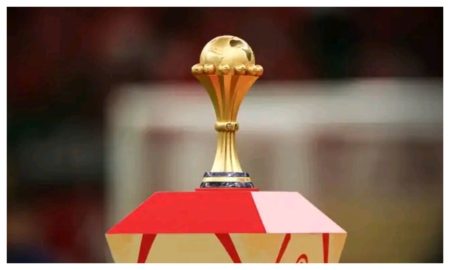

The Court of Arbitration for Sport (CAS) has overturned a controversial decision by the Confederation of African Football (CAF) to strip Senegal of the 2025 Africa Cup of Nations (AFCON) championship, awarding it to Morocco.
The ruling, delivered on Tuesday, November 24, 2026, restores Senegal’s 1-0 victory over hosts Morocco in the final played in Rabat on January 18, ending months of uncertainty over the ownership of the continental trophy.
The Teranga Lions had initially been crowned champions after defeating Morocco in extra time through a goal by Pape Gueye.
However, the victory was subsequently overturned by CAF’s Appeals Board, which declared that Senegal had forfeited the match following their players’ decision to leave the pitch in protest over a penalty awarded to Morocco late in regulation time.
The CAF decision, announced on March 17, awarded Morocco a 3-0 victory and the AFCON title, prompting the Senegalese Football Federation (FSF) to take the matter to CAS.
Senegal argued that the match had been allowed to continue by the referee after the players returned to the pitch and that the final result should therefore stand.
The dispute centred on events in the closing minutes of normal time when Congolese referee Jean-Jacques Ndala awarded Morocco a penalty following a Video Assistant Referee (VAR) review.
The protest resulted in a delay of approximately 15 minutes, with several Senegalese players heading towards the dressing room before being persuaded to return by captain Sadio Mané.
Upon resumption, Morocco’s Brahim Diaz missed the resulting penalty, with Senegal goalkeeper Edouard Mendy saving his attempted Panenka kick. The match subsequently went into extra time, where Pape Gueye scored the decisive goal to hand Senegal the trophy.
However, CAF’s Appeals Board overturned the result, relying on Articles 82 and 84 of its AFCON competition regulations, which provide sanctions for teams that refuse to play or leave the field without the referee’s authorisation.
Senegal subsequently lodged an appeal with CAS on March 25, 2026, challenging CAF’s decision and asking the arbitration body to restore its status as champions. The case also involved CAF and the Royal Moroccan Football Federation (FRMF).
A three-member CAS panel heard the arguments of the parties behind closed doors in Lausanne, Switzerland, on October 8.
The panel was chaired by French sports law expert Gérald Simon, with Italian professor Luigi Fumagalli and German legal expert Ulrich Haas as members.
In its ruling, CAS upheld the position that the referee’s decision to resume or stop the match fell within his authority.
The court reasoned that by blowing his whistle to restart play, Ndala had determined that the conditions for the match to continue had been met, noting that both teams had returned to the pitch and indicated their willingness to resume.
The ruling effectively invalidates CAF’s decision to award Morocco a 3-0 victory and restores the original result of the final.
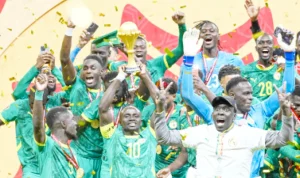
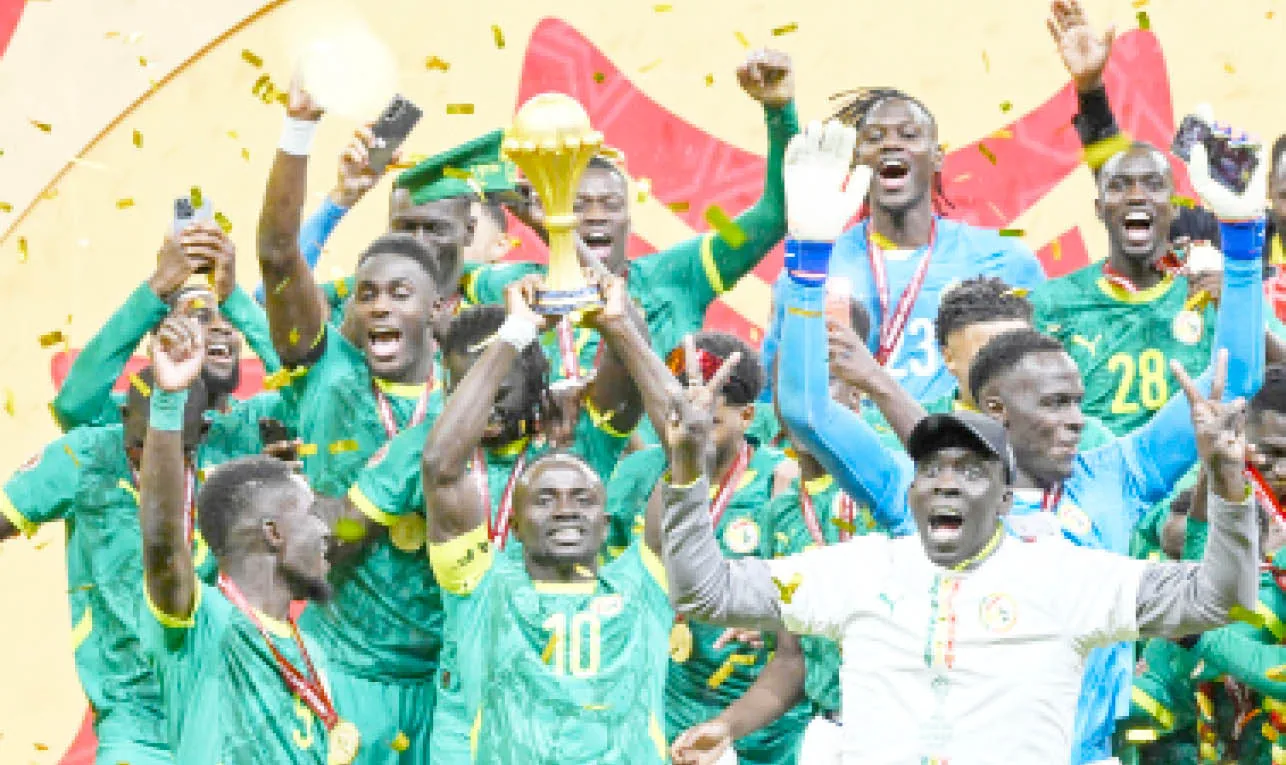
Reacting to the verdict, the Senegalese Football Federation celebrated the decision on social media, posting a photograph of the national team lifting the trophy after the January final with the caption, “Again and always”.
The ruling brings an end to months of uncertainty surrounding the outcome of the tournament and represents a significant setback for Morocco, which had been recognised as champions following CAF’s March decision.
CAF President Patrice Motsepe had previously pledged that the continental football governing body would respect the outcome of the CAS proceedings.
The Moroccan football federation was also a party to the arbitration proceedings. Neither CAF nor the Moroccan federation had issued an immediate public reaction to Tuesday’s verdict at the time of reporting.
The controversy had attracted widespread attention across African football, particularly after CAF imposed more than $1 million in fines on the two football federations, players and Senegal’s then coach, Pape Thiaw, over incidents surrounding the final.
UPDATE NEWS:
Nigerians can now invest ₦2.5 million on premium domains and profit about ₦17-₦25 million. All earnings paid in US Dollars. Rather than wonder,
click here to find out how it works.