



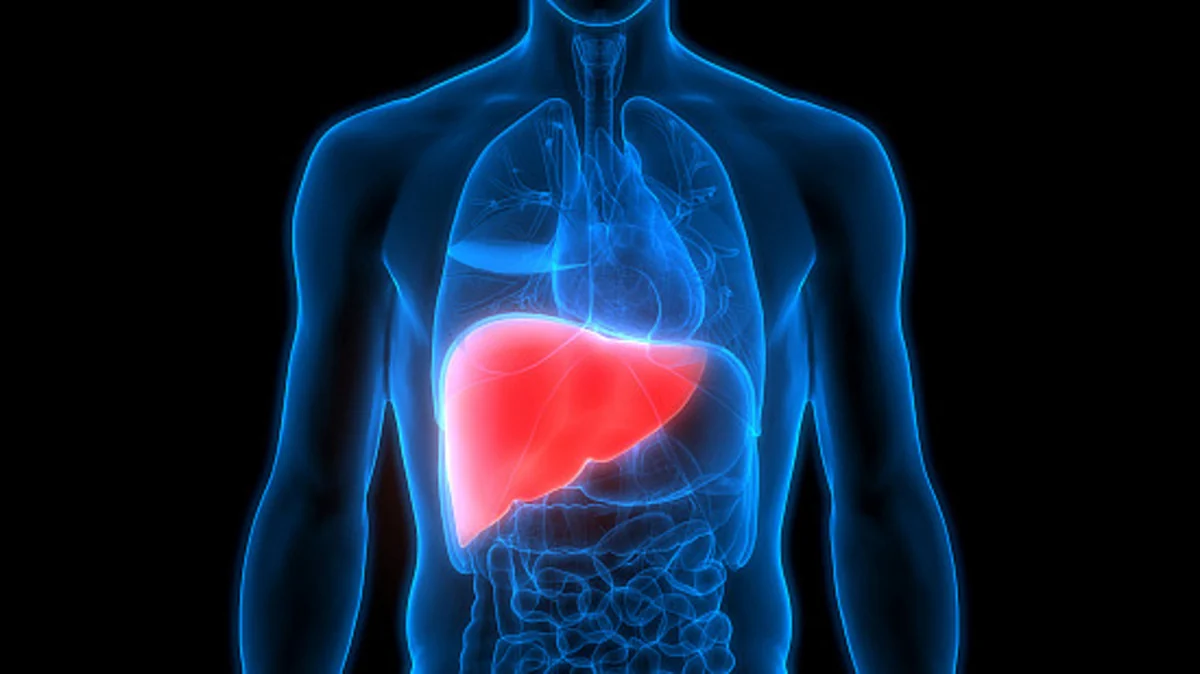
Regularly eating after dinner or close to bedtime may increase the risk of liver disease by up to 30 per cent, according to a major study involving nearly 200,000 people, raising fresh concerns about the health consequences of nighttime eating.
Eating late at night may do more than contribute to weight gain or disrupt sleep. Researchers have linked the habit to an increased risk of metabolic dysfunction-associated steatotic liver disease (MASLD), commonly known as fatty liver disease, and liver cirrhosis.
The findings, published in Clinical Gastroenterology and Hepatology, suggest that meal timing may play an important role in liver health, with researchers pointing to the body’s natural biological clock as a possible explanation.
ALSO READ: Colombian bomb attack injures 23 outside government offices
Researchers at Oregon Health & Science University (OHSU) led the study and investigated whether eating outside normal daytime hours could affect the liver’s ability to regulate metabolism.
The research drew on dietary and lifestyle information from nearly 200,000 participants enrolled in three major long-term studies: the Nurses’ Health Study, Nurses’ Health Study II, and Health Professionals Follow-up Study.
The researchers classified late-night eating as consuming food after dinner or after bedtime and examined how the habit was associated with reports of fatty liver disease and cirrhosis.
The investigation was partly motivated by concerns about night-shift workers, whose working schedules frequently disrupt their natural sleep-wake cycles. Previous research has linked such disruptions to increased rates of obesity and cardiovascular disease.
Lead researcher Robert Wilechansky, a hepatologist specialising in liver transplantation at OHSU, said he wanted to establish whether changing meal times could offer another way to improve liver health.
The analysis found that participants who reported eating late at night had liver disease rates approximately 20 to 30 per cent higher than those who did not report the habit.
The findings add to growing evidence connecting nighttime eating with metabolic problems, including obesity and cardiovascular disease.
Wilechansky, however, stressed that most people with fatty liver disease do not develop severe complications such as cirrhosis.
He suggested that limiting calorie consumption to several hours before bedtime could potentially support better metabolic and liver health.
Researchers believe the body’s internal biological clock, known as the circadian rhythm, may help explain the association.
This biological system regulates sleep, metabolism, and other essential functions, coordinating the activities of different organs throughout the day and night.
Andrew McHill, a co-author of the study and associate professor at OHSU, explained that eating during the night, when the body is biologically preparing for sleep, may reduce its ability to process food efficiently.
Previous experiments have shown that eating at biologically inappropriate times can interfere with metabolism and contribute to obesity and diabetes.
Animal studies have also suggested that the liver may be particularly vulnerable when feeding schedules conflict with the body’s natural sleep-wake cycle.
Despite the findings, researchers cautioned that the study does not prove late-night eating directly causes liver disease.
The investigation was observational and relied on participants’ self-reported dietary habits. Consequently, other lifestyle and health factors may have influenced the results.
Wilechansky and his colleagues are planning further research to determine whether changing meal times can produce measurable improvements in people with existing fatty liver disease.
The planned investigation will monitor eating habits more closely and examine whether consuming meals earlier can improve liver health without necessarily changing the types of food people eat.
The findings substantiate the need to consider meal timing alongside food quality when addressing metabolic health.
For now, researchers say avoiding regular late-night eating may be a useful lifestyle consideration, although further clinical studies are needed to establish whether changing eating schedules can prevent or improve liver disease.
WATCH TOP VIDEOS FROM NIGERIAN TRIBUNE TV