

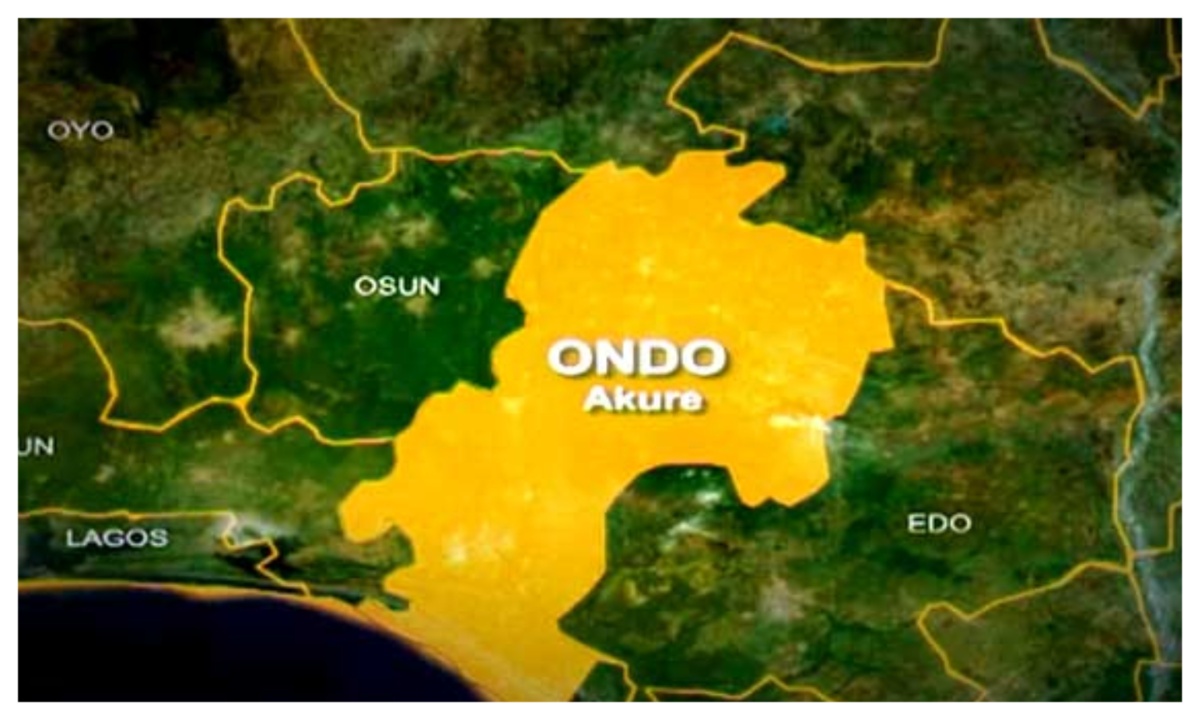
Low turnout and technical glitches marred the ongoing mock accreditation and voting exercise that the Independent National Electoral Commission (INEC) conducted ahead of the 2027 general elections in Ondo State.
Also, there were technical challenges with the Bimodal Voter Accreditation System (BVAS) used for the mock accreditation and voting exercise in many of the polling units.
As of the time of filing this report, findings showed that only two persons voted out of 470 registered voters at Tipper Garage Ward 2, Unit 046.
Similarly, at Champion Junction Ward 3, Unit 15,
Similarly, at Champion Junction Ward 3, Unit 15, only six voters participated in the exercise. At High Court Ward 5, Unit 11, 11 persons were recorded as having voted out of 940 registered voters.
However, the situation was different at Ajipowo Ward 2, Unit 17, where a large turnout of voters was observed. Despite the turnout, the exercise experienced technical challenges as the BVAS reportedly failed to capture the faces of some elderly voters, causing difficulties during the accreditation process.
The mock exercise is part of INEC’s preparations to test its electoral equipment and processes ahead of the 2027 general elections.
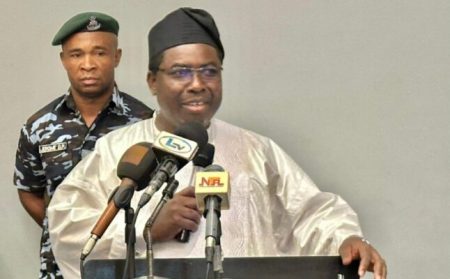
In his reaction, the Resident Electoral Commissioner (REC)
In his reaction, the Resident Electoral Commissioner (REC) of
INEC, Mutiu Agboke blamed environmental factors for the low turnout. He said some people were expecting to receive money before coming out to participate.
Agboke said: “Anything that is described as a mock exercise is meant to test and evaluate a process. The purpose of this exercise is to test two major things.
“First, we want to test the efficiency of our Bimodal Voter Accreditation System (BVAS). We want to assess how it accredits voters, its operational speed, and how long it takes to capture and accredit a voter.
“You will agree with me, as members of the media, that at all the centres we visited, voters were accredited in less than one second. For us, that is a big plus because it means that more voters can be accredited within a short period on election day.
“The second phase of the test run is to assess the speed at which Form EC8A will be uploaded to the INEC Result Viewing Portal (IReV). We will also evaluate that process. For us, seeing this level of development, functionality, and efficiency in BVAS is encouraging. We do not anticipate that the uploading process will be a major challenge.
“Some people believe that BVAS will malfunction whenever there is no network, but that is not correct. During accreditation, BVAS works offline. It is only during the uploading process that an internet connection is required.
“If there is no network at the polling unit where the presiding officer is expected to upload the results, the officer only needs to move a step or a few steps away to an area with network coverage and carry out the upload. So, it is not a problem.
“For us, and for me personally, to a large extent, we have achieved the purpose of the mock exercise. However, later in the evening, we will be able to collate all the activities and assess them collectively.
aaa
“This is not just a state exercise; it is a national exercise. I am sure INEC will audit some of the activities to identify other areas where challenges may arise and determine how to address them.”