




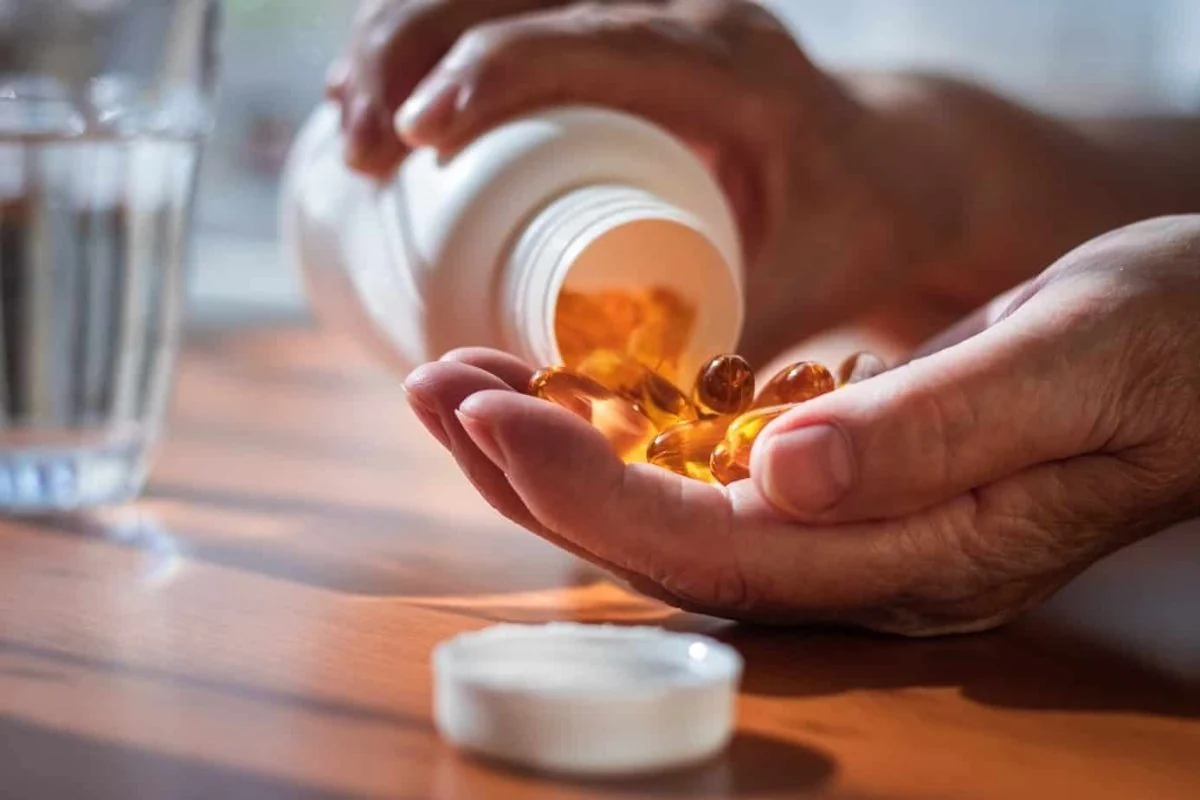
A common skin condition with no known cure could one day benefit from a simple nutritional supplement, according to promising new research.
Scientists have found that pantethine, a derivative of vitamin B5, may help reduce psoriasis symptoms by regulating immune system activity. The findings from studies involving humans and mice offer fresh hope for people living with the chronic inflammatory skin disease.
Psoriasis is an autoimmune condition that causes itchy, scaly patches on the skin, commonly affecting the knees, elbows and waist. Although several treatments are available to manage its symptoms, there is currently no cure.
The study, published in the Journal of Experimental Medicine (JEM), found that pantethine improved symptoms in a small human clinical trial and completely prevented psoriasis in mice.
Researchers at China’s State Key Laboratory of Biomedical Analysis focused on specialised immune cells called dendritic cells, which coordinate immune responses by activating T-cells and recruiting other immune cells to sites of inflammation.
When these cells become excessively active, they can trigger inflammatory responses that contribute to autoimmune diseases such as psoriasis.
The researchers discovered that enzymes known as Vanins are elevated in the dendritic cells of people with psoriasis and other autoimmune conditions. These enzymes convert pantethine into vitamin B5, an essential nutrient involved in cellular energy production.
Increased Vanin activity depletes pantethine levels in dendritic cells, leading to greater cholesterol production and excessive immune cell activation.
Previous research has linked cholesterol to dendritic cell activation, while elevated blood cholesterol has also been associated with an increased risk of psoriasis.
However, restoring pantethine levels helped reverse this process by reducing cholesterol accumulation and suppressing dendritic cell activity.
Study co-lead author Dr Wei-Na Zhang explained that insufficient pantethine levels could contribute to dendritic cell overactivity and the autoimmune inflammation associated with increased Vanin activity.
Pantethine is widely available as a nutritional supplement and is commonly used to help manage cholesterol levels because it can inhibit cholesterol production.
To investigate its potential benefits for psoriasis, the researchers conducted a proof-of-concept clinical trial involving 24 patients. All participants received a topical ointment, while half also took pantethine tablets.
After 12 weeks, patients who received the additional supplement experienced improvements in their symptoms, particularly those who had elevated cholesterol levels at the beginning of the study.
The researchers described the results as encouraging, suggesting that pantethine could serve as an additional treatment for psoriasis by targeting the metabolic processes that drive immune system overactivity.
Although the results are promising, the human trial was small. Larger studies are needed to establish the supplement’s safety, effectiveness, appropriate dosage and long-term benefits.
For now, the findings offer a potential new direction in the search for better treatments for psoriasis and other autoimmune inflammatory conditions.
WATCH TOP VIDEOS FROM NIGERIAN TRIBUNE TV