



…Uncovers illegal cosmetic factory, counterfeit alcohol production hubs in Lagos, Ogun
…Mops up 100,000 cartons of banned alcoholic beverages
By Chioma Obinna
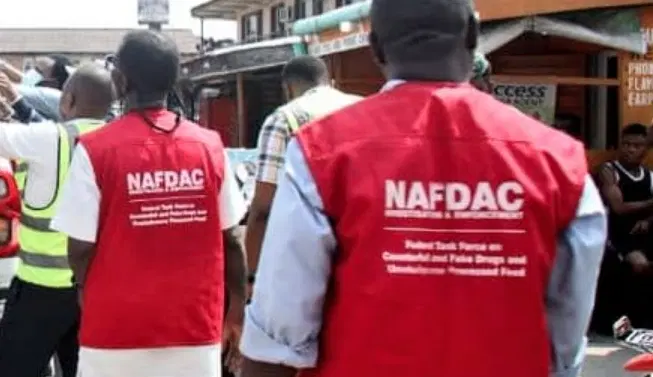
The National Agency for Food and Drug Administration and Control (NAFDAC) on Friday destroyed fake, counterfeit, expired, banned and substandard drugs, alcoholic beverages, cosmetics and other regulated products worth N100 billion in Ogun State.
The destruction exercise, which took place at Ogwama Dumpsite, Ogere Remo, was aimed at preventing dangerous products from re-entering the Nigerian market and endangering public health.
Speaking at the flag-off ceremony, the Director-General of NAFDAC, Professor Christiana Mojisola Adeyeye, said the products included counterfeit, expired, controlled, unregistered and banned medicines, as well as unwholesome food products and cosmetics.
Among the products destroyed were banned alcoholic beverages packaged in sachets and PET bottles below 200ml, banned Analgin injection, expired Codeine cough syrups, Oxytocin injection and counterfeit cosmetics.
Adeyeye said: “The estimated street value of these products being destroyed today stands at one hundred billion naira only.”
She explained that the exercise was part of the agency’s sustained efforts to prevent expired, fake, substandard and falsified products from finding their way back into circulation.
The NAFDAC boss disclosed that recent enforcement operations had exposed several illegal manufacturing and distribution networks, particularly in Lagos and Ogun states.
According to her, operatives uncovered a warehouse in Lagos originally meant for tools and hardware, where illegal cosmetic products were being manufactured in the penthouse of the building.
She said officers also recovered several cartons of Augmentin and Ampicillin packets, leaflets and other unregistered cosmetics.
In another operation, NAFDAC investigators uncovered a production hub where counterfeit versions of popular alcoholic beverage brands were being manufactured, while expired energy drinks were allegedly being revalidated and stored for sale.
Adeyeye said suspects arrested in connection with the activities would face the full weight of the law.
She further disclosed that NAFDAC officers, in collaboration with relevant stakeholders, mopped up more than 100,000 cartons of banned sachet and small PET-bottle alcoholic beverages from manufacturers, wholesalers and retailers across Lagos and Ogun states.
The agency also uncovered a residential building allegedly converted into a production and distribution centre for unauthorised and registered herbal mixtures being sold in large quantities to Nigerians.
Adeyeye said other products destroyed included items seized during enforcement raids and expired products voluntarily surrendered by compliant companies.
She said the destruction would eliminate the possibility of the dangerous products being recycled or returned to the Nigerian market.
The NAFDAC director-general particularly commended the Nigeria Customs Service for handing over pharmaceutical products, including several cartons of Codeine cough syrup and CSC cough syrup containing codeine, for destruction.
She also acknowledged the support of the Nigeria Police Force, Nigerian Army, Department of State Services, Pharmacists Council of Nigeria, National Drug Law Enforcement Agency and Nigeria Security and Civil Defence Corps.
Adeyeye urged community and religious leaders, health practitioners, the media and members of the public to intensify public education on the dangers of purchasing medicines and other regulated products from unauthorised vendors.
She said: “It is imperative that you educate your families and wards about the dangers of patronising quacks and unauthorised vendors.”
The NAFDAC boss called on Nigerians to provide useful information to the agency to help identify and eliminate counterfeit, unregistered and dangerous products from the market.
She reiterated that the agency remained committed to ensuring that food, drugs, cosmetics, medical devices, chemicals, packaged water and beverages available in Nigeria were safe, wholesome and effective.