


Bauchi State Nutrition Officer, Abubakar Saleh, has disclosed that a total of 12,871 children were admitted for the treatment of severe acute malnutrition (SAM) between February and October 2026.
The disclosure was made during a High-Level Strategic Roundtable Dialogue on Sustainable Sub-National Nutrition Financing organised by the Bauchi State chapter of the Civil Society Scaling Up Nutrition in Nigeria (CS-SUNN).
The State Nutrition Officer described malnutrition as a major public health and development challenge, attributing the situation to household food insecurity, poverty and other socio-economic factors.
He further said findings from the Nigeria Demographic and Health Survey indicated that stunting remained high in the state, although wasting had declined.
He also revealed that more than 153,000 children aged six to 23 months had been enrolled in the Small Quantity Lipid-Based Nutrient Supplement (SQLNS) supply programme.
However, he expressed concern over the limited availability of Ready-to-Use Therapeutic Food (RUTF), a key commodity for treating severe acute malnutrition, noting that it was currently available in only three local government areas: Ningi, Ganjuwa and Kirfi.
To fight the menace of SAM, the chairmen of the 20 local government councils in the state have pledged to contribute N350 million to the UNICEF Child Nutrition Fund to strengthen efforts to tackle malnutrition across the state.
The commitment represents 70 per cent (N350m) of the N500m nutrition funding commitment, with the state government expected to provide the remaining 30 per cent (N150m).
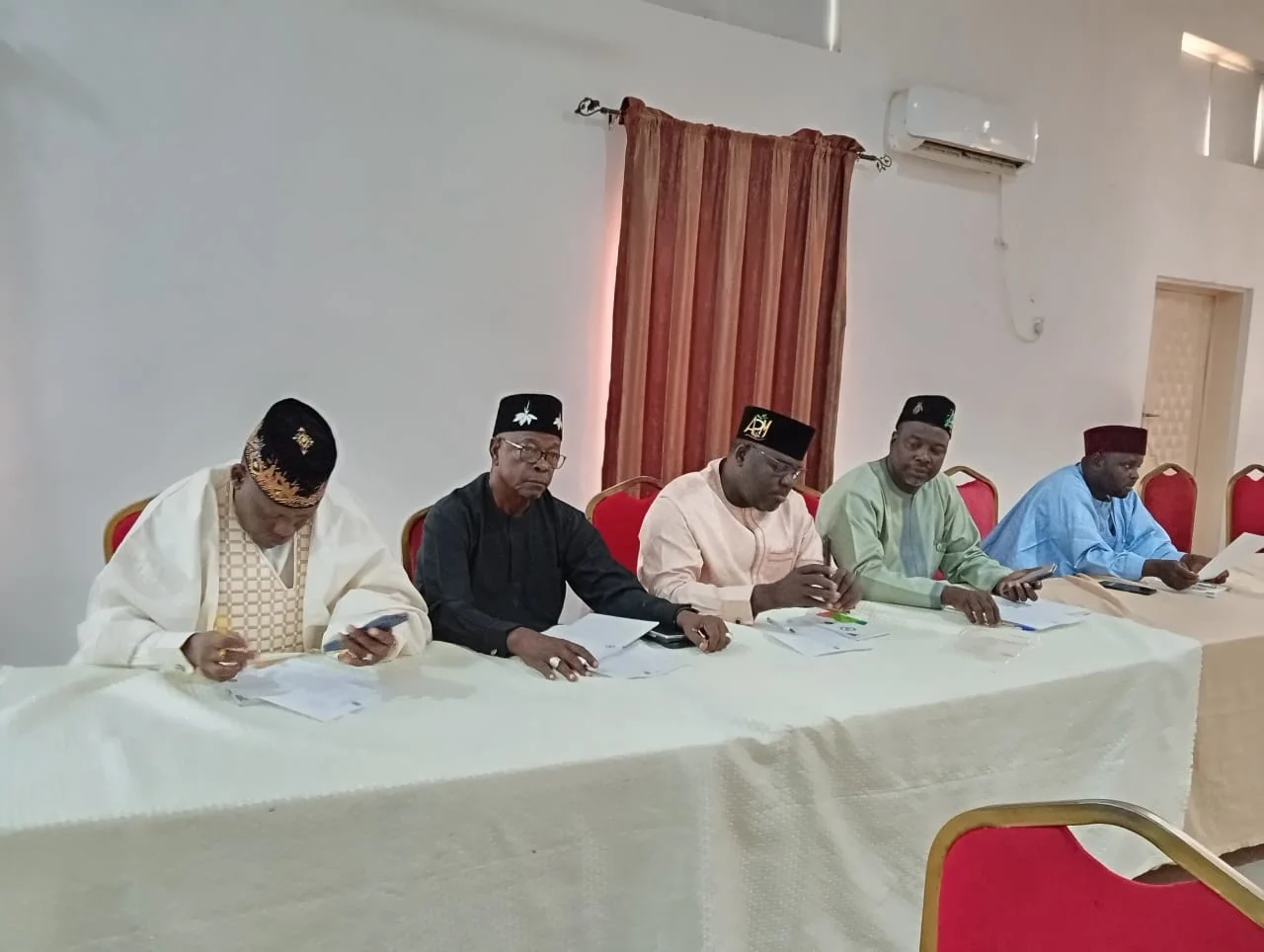
The Chairman of the Association of Local Governments of Nigeria (ALGON), Bauchi State chapter, and Chairman of Ningi Local Government Council, Alhaji Yuhuza Adamu Ningi, announced the pledge.
The dialogue, which brought together local government chairmen, government officials, nutrition stakeholders and civil society organisations, also witnessed the adoption of a communiqué and the Bauchi State Local Government Nutrition Charter.
Yuhuza Adamu said the councils were committed to strengthening nutrition financing through increased budgetary allocations and improved support for nutrition interventions at the grassroots.
The chairmen also agreed to involve their wives in community mobilisation and advocacy campaigns to promote better nutrition practices among families.
Other resolutions included the creation of dedicated nutrition budget lines in all the 20 local government areas, timely release of approved funds and effective monitoring of expenditure by nutrition officers.
Participants further emphasised the need for stronger multisectoral collaboration through the Local Government Committees on Food and Nutrition, as well as greater involvement of youths in nutrition education, advocacy and community sensitisation.
The lead facilitator of the dialogue, Dabis Mwalike of CS-SUNN, urged the council chairmen to take ownership of nutrition interventions by championing increased investment and ensuring that nutrition remained a priority on their development agenda.
The roundtable participants stressed that political commitments must translate into actual budgetary allocations, timely fund releases, effective implementation and transparent accountability to achieve sustainable nutrition outcomes.
They called for stronger collaboration among local governments, relevant government ministries, development partners and civil society organisations to address malnutrition and improve the health and development of children across Bauchi State.
WATCH TOP VIDEOS FROM NIGERIAN TRIBUNE TV