



Artificial intelligence-powered impersonation could become Nigeria’s biggest banking fraud threat in 2027 as criminals increasingly exploit cloned voices, manipulated videos and convincing digital identities to trick customers and financial institution employees into authorising fraudulent transactions.
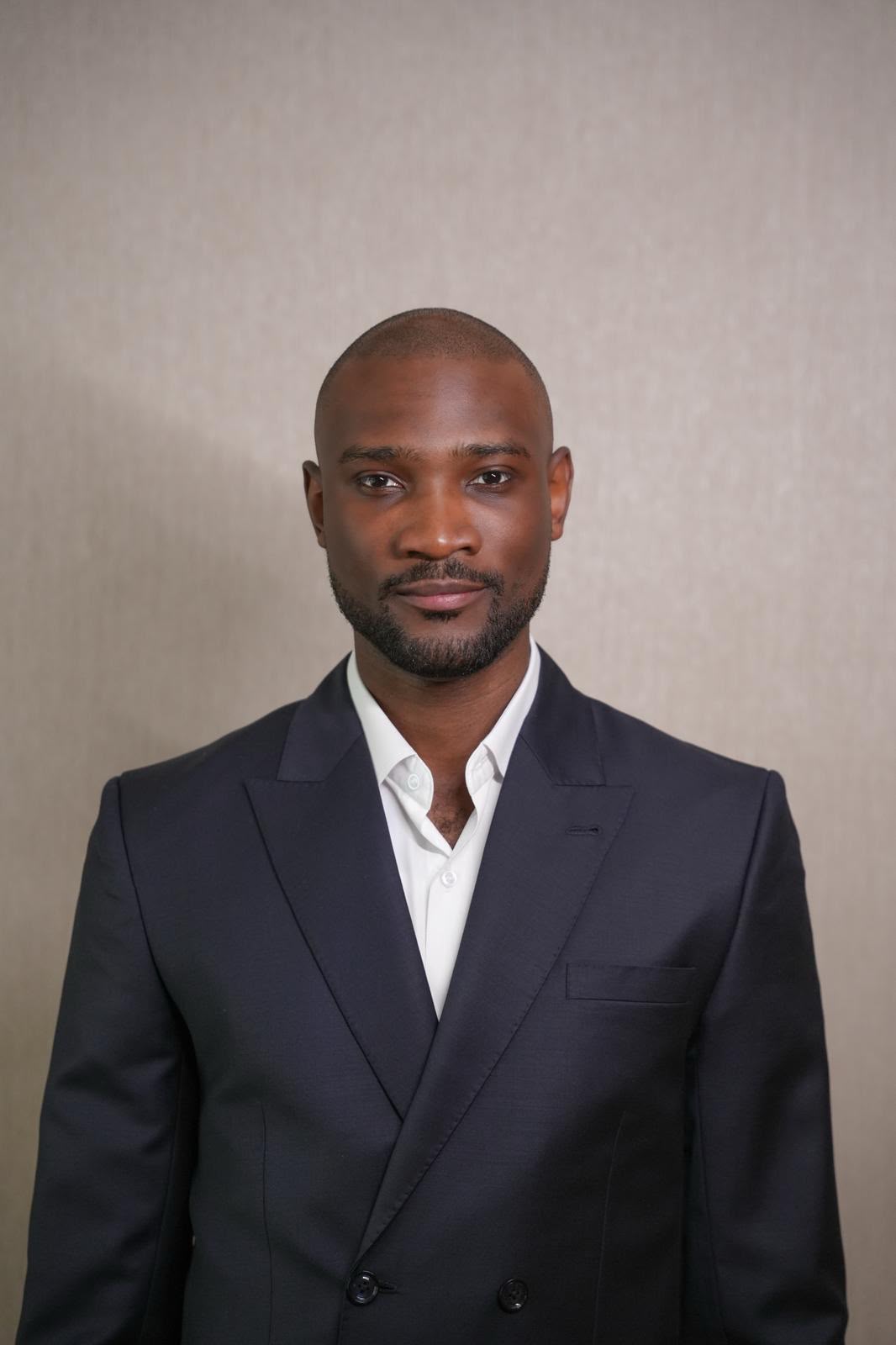
Samuel Ubido, executive chairman of Techinnovate Group, warned that the growing sophistication of AI-assisted scams, combined with Nigeria’s instant payment infrastructure, could expose banks and fintech companies to a new generation of fraud that bypasses conventional security systems.
According to Ubido, the danger is that criminals may no longer need to penetrate banking systems or steal customers’ passwords to move money. Instead, they can manipulate customers or employees into approving transactions themselves, making fraudulent payments appear legitimate to the financial institutions processing them.
“The criminal doesn’t need to break into anything. They persuade a customer or an employee to approve the payment themselves, so it looks legitimate to the bank,” he said in an interview with BusinessDay.
He explained that once a victim authorises a fraudulent transfer, the money could move through several accounts within minutes, potentially leaving banks with little time to detect the transaction, contact receiving institutions and recover the funds before they are withdrawn or transferred again.
Read also: Nigeria’s CSR index to rank companies on social impact, transparency and accountability
The development presents a growing challenge for Nigeria’s financial sector, where instant payments have become central to everyday transactions, business operations and financial inclusion. While the speed of digital transfers has improved convenience, it also creates opportunities for criminals to move stolen funds rapidly across institutions.
Ubido said AI-generated voices and manipulated videos were making impersonation scams more convincing, particularly when criminals exploit familiar identities, trusted business relationships and the public profiles of prominent individuals.
He cited documented cases in Africa, including a January 2026 investment scam that used a doctored video of Aliko Dangote to promote a fraudulent investment scheme. Africa Check debunked the claims, while the Dangote Group confirmed that the video was fake.
In South Africa, the Financial Sector Conduct Authority also warned in August 2025 about a fraudulent platform that used a deepfake of rugby captain Siya Kolisi and falsely associated itself with the South African Reserve Bank and FirstRand.
According to Ubido, the cases demonstrate how criminals can borrow the faces and reputations of trusted individuals, attach respected institutional names to fraudulent offers and use the resulting credibility to solicit money from unsuspecting victims.
He, however, cautioned that there was insufficient data to establish how much of Nigeria’s payment fraud was directly attributable to artificial intelligence, even though the techniques were already appearing in scams targeting consumers.
The threat is particularly significant because conventional banking security measures, including transaction alerts, personal identification numbers and one-time passwords, may not adequately protect customers who are manipulated into voluntarily disclosing their credentials or approving fraudulent transactions.
Ubido argued that authentication systems must go beyond confirming whether a customer has entered the correct PIN or OTP to establish whether the customer genuinely intends to make a particular payment.
For higher-value or suspicious transactions, he recommended that banks display the exact recipient and transfer amount on their own approval screens and require customers to confirm transactions through trusted devices.
He also identified new devices, recently recovered accounts, first-time beneficiaries and unusual transaction patterns as warning signals that should trigger additional verification before money leaves a customer’s account.
Beyond customer authentication, Ubido said Nigerian banks needed to strengthen real-time fraud detection by combining multiple risk indicators, including device changes, account recovery activities, beneficiary information and unusual transfer behaviour.
Read also: African art market is entering a new era, says former Sotheby’s executive, Hannah O’Leary
He said financial institutions should prioritise real-time fraud scoring that allows routine transactions to proceed without unnecessary delays while introducing additional checks or temporary holds when suspicious activities are detected.
However, he cautioned that such systems must be designed carefully to avoid blocking legitimate payments, particularly for traders and businesses that depend on uninterrupted access to their funds.
The cybersecurity expert also raised concerns about the exposure created by shared technology infrastructure, noting that several banks and fintech companies depend on common payment processors, cloud providers, telecommunications networks and digital identity services.
A weakness or security incident involving one of these providers could therefore affect multiple financial institutions simultaneously, particularly if the affected organisations lack effective arrangements for detecting and containing third-party disruptions.
Ubido said banks should test their security arrangements across mobile applications, USSD platforms, call centres and agent networks, rather than assume that protections available through one channel automatically extend to others.
He particularly recommended investigating account recovery processes to determine whether a fraudster could reset an account, register a new device, increase transfer limits and initiate a payment to a new beneficiary within a short period without triggering adequate security checks.
On regulatory intervention, Ubido called on the Central Bank of Nigeria (CBN) to strengthen fraud intelligence sharing among banks and payment service providers through a coordinated, round-the-clock mechanism.
He proposed that the CBN establish the regulatory framework, while the Nigeria Inter-Bank Settlement System (NIBSS) operates a common platform through which financial institutions can exchange fraud signals and respond within agreed timelines, subject to appropriate privacy safeguards.
He also recommended a unified interbank process for stopping, tracing and recovering suspicious transfers, allowing customers to report incidents through their own banks or payment applications without having to navigate separate procedures across multiple institutions.
According to him, the CBN should require financial institutions to conduct independent tests of critical payment journeys, particularly account recovery, new-device registration, first-time beneficiaries and third-party service disruptions.
The proposals come as the CBN advances its Payments System Vision 2028, which includes plans for stronger payment security, round-the-clock monitoring and automated responses to emerging threats.
Ubido said the planned national payments security operations centre should be tested through live exercises involving multiple financial institutions before the end of 2027.
He further argued that the regulator should mandate minimum cybersecurity capabilities rather than impose a uniform spending percentage on banks, insisting that the effectiveness of security investments should be measured by how quickly institutions detect, contain and resolve incidents, as well as the amount of customer funds recovered.
As Nigerian banks accelerate the use of artificial intelligence for customer onboarding, lending and service delivery, Ubido said investment in verification technologies, real-time fraud controls and round-the-clock response teams must grow at a similar pace.
Without these safeguards, he warned, the next phase of Nigeria’s digital banking expansion could be undermined by criminals who exploit the very trust and convenience that financial institutions are trying to build.

Royal Ibeh is a senior journalist with years of experience reporting on Nigeria’s technology and health sectors. She currently covers the Technology and Health beats for BusinessDay newspaper, where she writes in-depth stories on digital innovation, telecom infrastructure, healthcare systems, and public health policies.