


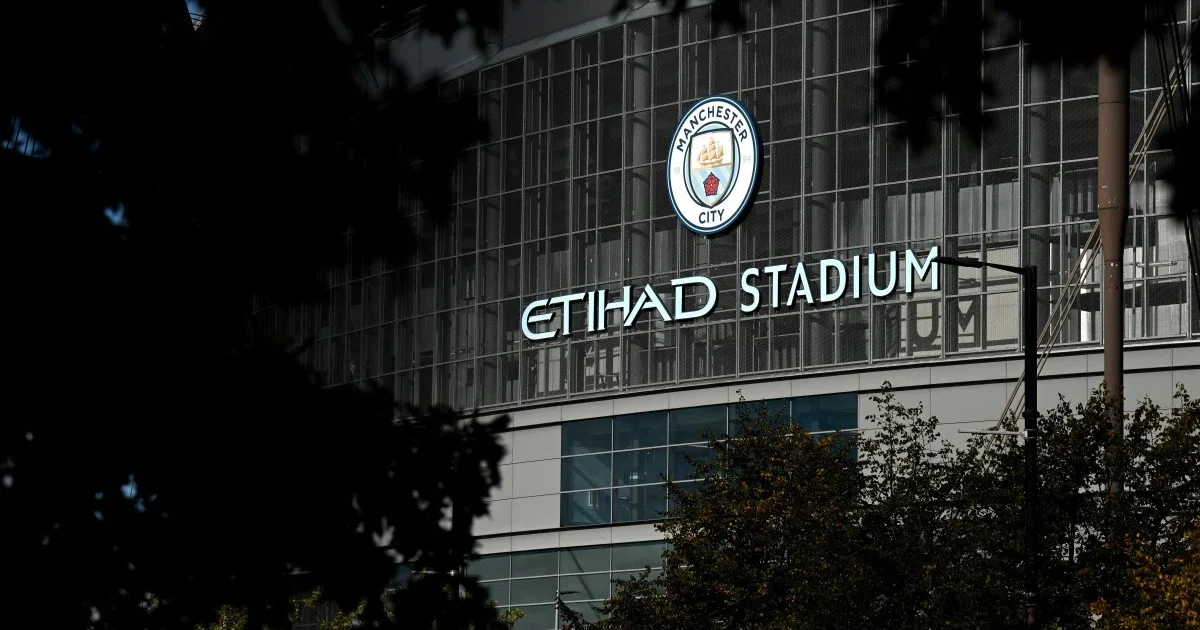
Manchester City could face severe sanctions, including a possible forced sale of the club, if their alleged breaches of Premier League financial rules are upheld, the chairman of England’s Independent Football Regulator (IFR), David Kogan, has warned.
BBC Sport reports on Wednesday that Kogan gave the warning while appearing before Parliament’s Digital, Culture, Media and Sport select committee, insisting that the regulator would not shy away from taking action against the Premier League champions because of their financial strength or the identity of their owners.
City were found guilty by an independent commission of breaching Premier League financial regulations over a nine-season period. The September verdict found that the club’s Abu Dhabi owners had inflated revenues and disguised losses by £900m through what the commission described as “sham” arrangements.
However, Manchester City have denied wrongdoing and appealed the findings.
Should the verdict be upheld, the club could face scrutiny from the IFR, which has powers to remove directors considered unsuitable and, in certain circumstances, force a change of ownership.
Speaking to MPs, Kogan said the regulator would carry out its statutory responsibilities regardless of the club involved.
“Forget the name of the club, forget the size of the club, forget the scale of the issue. We cannot simply ignore our statutory duties in relation to a club because it happens to be of a certain size,” he said.
He added that the regulator would consider the evidence presented by the Premier League’s independent commission and any subsequent appeal judgment before deciding on appropriate action.
“But in one sense, the evidence has already been judged by those cases having been found guilty, so we will absolutely have the stomach to do so,” Kogan stated.
The IFR chairman admitted that dealing with such a high-profile case so early in the regulator’s existence was not something he would have chosen, but stressed that avoiding action would undermine its purpose.
“Would I, with an organisation that has a relatively new, fairly young staff, that’s been going for less than a year, would I have chosen to have this particular issue in our laps this early? Well, probably not,” he said.
“But the truth is, if we don’t act – assuming those circumstances are triggered – if we don’t act, what is the purpose of having a football regulator?”
Kogan further insisted that political considerations, the club’s size and the nationality of its owners would have no bearing on the regulator’s decisions.
“The only test is the evidence,” he said, adding that the organisation must act appropriately if its assessment establishes grounds for concern under the legislation.
Meanwhile, IFR chief executive Richard Monks told MPs that the regulator was preparing for potentially expensive legal battles, with a £2m litigation reserve expected to be built up over the next two years through a levy on football clubs.
Monks explained that the regulator would seek to recover legal costs if it successfully defended its decisions in court.
“When we take litigation, we expect to win and we expect to reclaim costs and repay that reserve from costs,” he said.
However, he acknowledged that a major legal dispute involving a club could cost more than the planned reserve, particularly because of barristers’ fees.
In such circumstances, the government has agreed to provide additional funding to cover cash-flow requirements.
If the regulator loses a major legal case, Monks said the outstanding costs would ultimately be recovered through the levy on clubs.
For now, Manchester City’s appeal remains a crucial factor in determining whether the IFR will consider further action against the club and its leadership.