

Stakeholders in northern Nigeria have insisted that the region required investment, not sympathy, to unlock its vast economic potentials.
This came as they called on President Bola Tinubu to adopt a strategic investment-driven approach to the region’s economic development even as they identified agriculture, agro-processing, manufacturing, commerce, infrastructure, tourism and cultural industries as critical sectors requiring targeted investment, alongside improved access to affordable capital to stimulate industrialisation, create jobs and strengthen the region’s contribution to national economic growth.
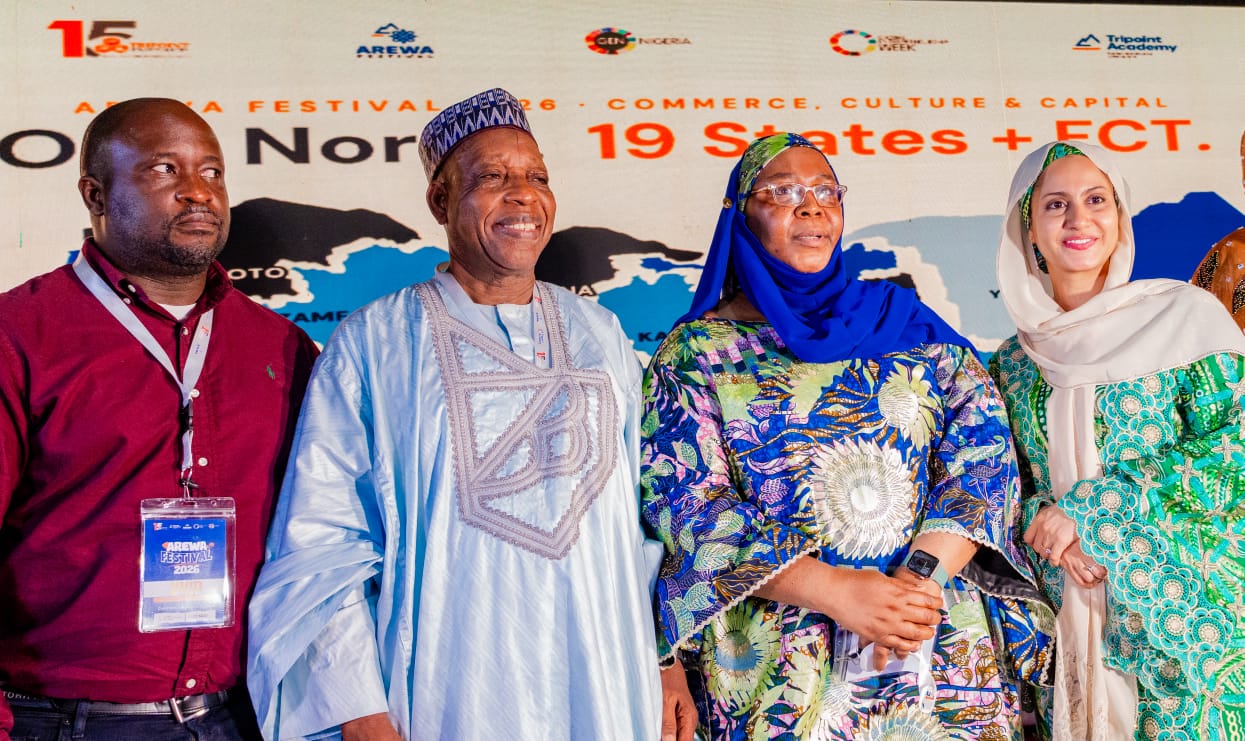
The stakeholders made the call at the weekend in Abuja during the 2026 Arewa Festival, where they advocated a shift from short-term interventions and humanitarian responses to sustainable investments that would transform the region’s abundant re
Leading the call, Executive Director of Greenwich Bank,
Leading the call, Executive Director of Greenwich Bank, Dr Goni Umar Farouk, said Nigeria’s ambition to build a diversified trillion-dollar economy would remain difficult to achieve without harnessing the productive capacity of northern Nigeria.
“How do we build a resilient, diversified trillion-dollar Nigerian economy without unlocking the full productive balance sheet of Northern Nigeria? From a finance perspective, the answer is straightforward: you cannot,” he said.
Farouk warned that portraying the North primarily as a humanitarian challenge rather than an investment destination could discourage long-term capital and undermine its economic prospects.
When capital views a region purely
“When capital views a region purely as a problem to be managed rather than an enterprise to be financed, capital flows in as short-term aid rather than long-term equity,” he said.
He identified agriculture, commerce, manufacturing, tourism and cultural industries as major opportunities for wealth creation, employment generation and expansion of Nigeria’s non-oil economy.
According to him, the region’s extensive arable land, established trading networks, craftsmanship in leather, textiles and metalwork, as well as its large youthful population, provide a strong foundation for economic transformation.
He, however, stressed the need to move beyond
He, however, stressed the need to move beyond the export of raw materials to local processing, value addition and industrial production.
Farouk identified cold storage, milling, food dehydration, dairy processing, packaging and logistics as areas where investment could reduce post-harvest losses, improve farmers’ incomes and strengthen linkages between agriculture and manufacturing.
He also advocated the development of strategic trade corridors, particularly along the Abuja-Kaduna-Kano axis, to facilitate the movement of goods, connect producers to markets and stimulate regional commerce.
According to him, stronger regional value chains
According to him, stronger regional value chains and cross-border trade with neighbouring countries, including Niger, Chad and Cameroon, could further expand business opportunities under the African Continental Free Trade Area.
Using Nigeria’s petroleum industry as an example of the consequences of inadequate domestic processing capacity, Farouk cautioned against the continued exportation of raw materials and subsequent importation of finished products at higher costs.
“We produce things in Africa, we take them to Europe. It is returned to us. Look at what has been happening to our fuel. We have the crude oil. We turn it abroad. It is refined, and it is returned to us. And then we buy at exorbitant prices,” he said.
On the leather industry, he called for investments across the value chain to enable local producers to manufacture and market finished products rather than surrendering the greater economic value to foreign markets.