


The Federal Government has called for an improved certification system and harmonised standards to boost the movement of seeds across the continent of Africa.
This call was made in Abuja at the 9th SeedConnect Africa Conference and Exhibition 2026.
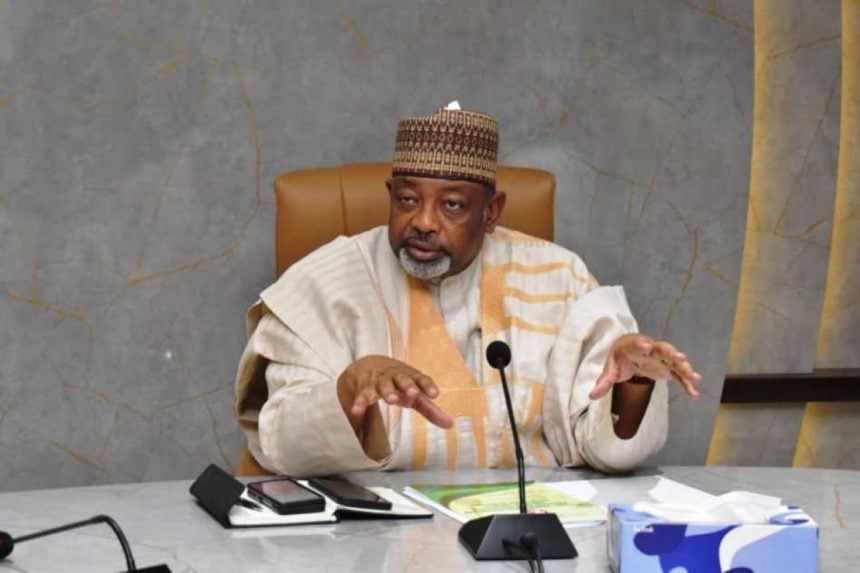
The Minister of Agriculture and Food Security, Senator Abubakar Kyari, who made the call, noted that Nigeria was working to position itself to benefit from opportunities in regional seed trade and African market integration, while strengthening enforcement against counterfeit and substandard seeds.
Kyari, who was represented by the Permanent Secretary, Dr Marcus Olaniyi Ogunbiyi, stated that while the government would appreciate an integrated system for seed movement, it will not tolerate counterfeit, adulterated, and poor-quality seeds.
He said that harmonised regulatory standards, improved certification
He said that “harmonised regulatory standards, improved certification systems, and effective cross-border cooperation can facilitate the movement of quality seeds across national boundaries, expand markets for domestic enterprises, and improve farmers’ access to suitable varieties.
“The Federal Government will keep strengthening the National Agricultural Seeds Council to handle seed certification, quality assurance, market surveillance, and standards enforcement”.
Kyari acknowledged the conference as an important opportunity to advance discussions on the National Seed Road Map 2, building on the Nigeria Seed Sector Strategy and Investment Plan launched at last year’s conference.
He said strategies derive value not from presentation
He said strategies derive value not from presentation but from implementation, and must be supported by clearly defined priorities, assigned responsibilities, coordinated financing, realistic timelines and measurable indicators.
He added that NASC must continue to play its statutory coordinating and regulatory role, working with MDAs, research institutions, private operators and development partners.
The Minister highlighted that transforming the seed industry requires coordinated effort as no single institution can address the challenges alone.
He therefore called on development partners to support research capacity, access to improved planting materials, technology transfer and investment in seed enterprises, and urged private operators to take advantage of opportunities in domestic production, multiplication, processing and distribution.